
Wild Italian Food
Bush tucker of Italy! I have discovered that there is so much food foraging that can be done in Italy. I’m not sure if its that there is a large amount of edible wild food or if it’s just that the people here have a greater understanding of what can be eaten. I am keen to share some of the plants that I have been shown are edible and exciting to try!
Rosa Canina (Rosehip)
A wild rose bush that can be found all over Italy. The plant is high in antioxidants and the red fruit is high in vitamin C. The fruit can be used in syrups, tea and marmalade. The berries can be eaten straight off the tree, I found the darker in colour, the less tasty.
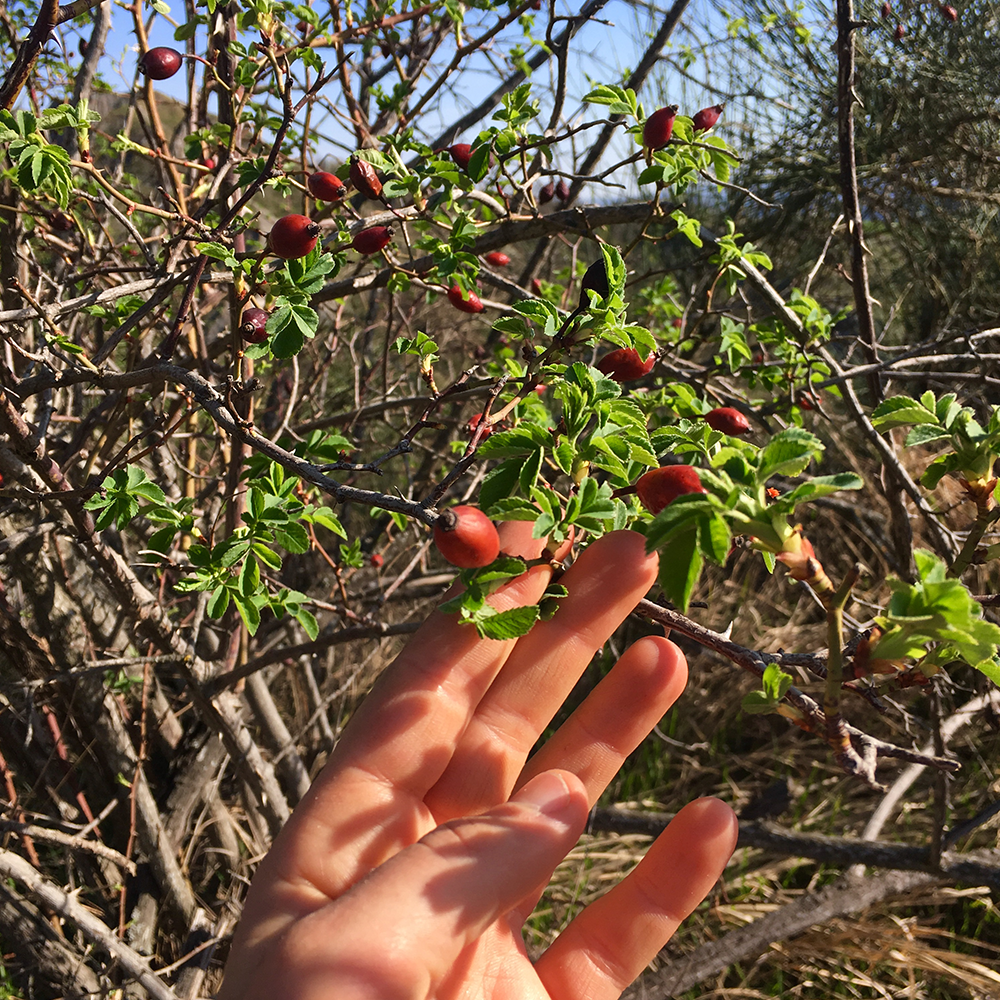
‘Rosa Canina’
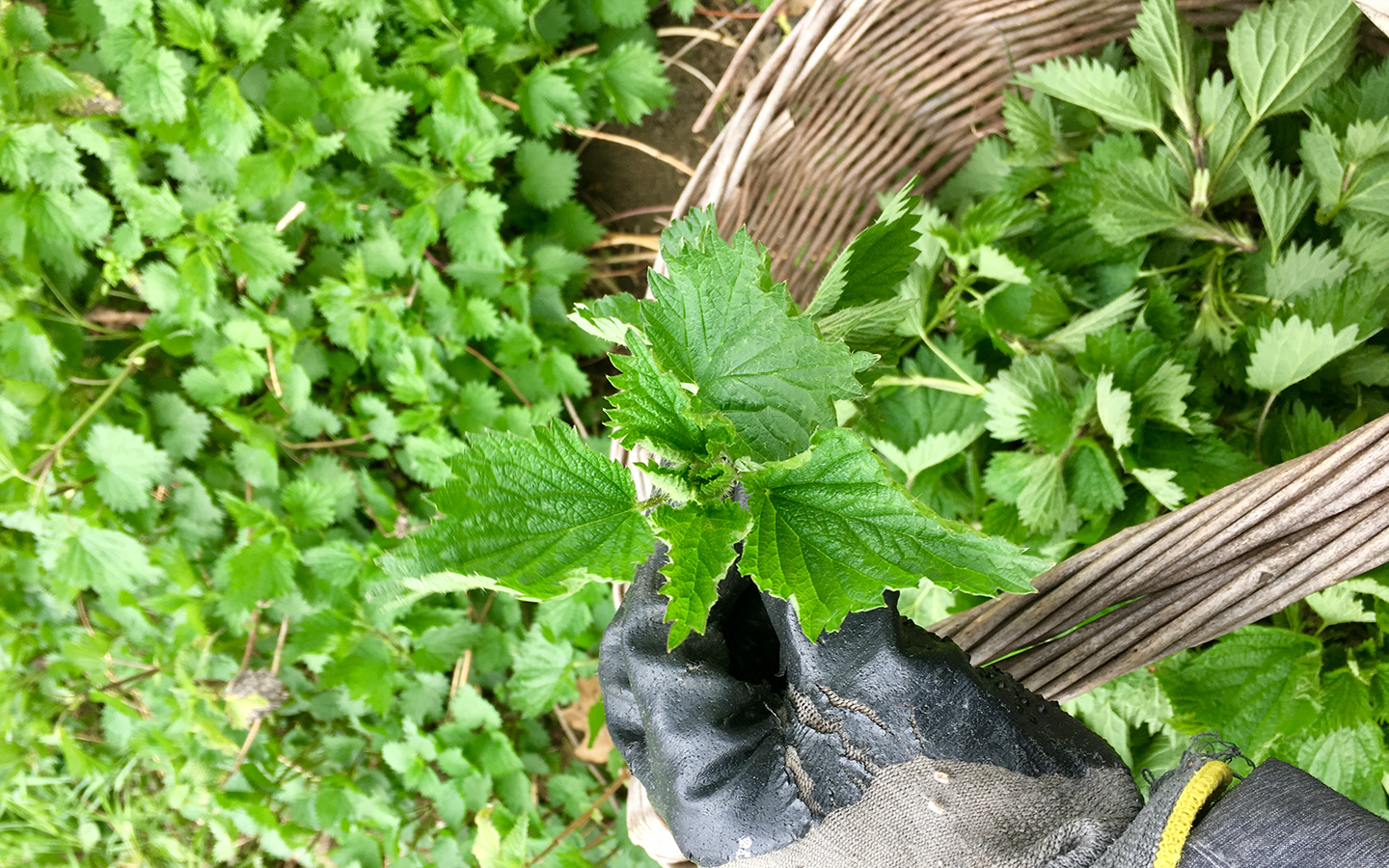
Ortica (Stinging Nettle)
In Italy, this like plant isn’t something to fear! It is a plant that holds a valuable place in Italian cuisine. It can be used in soups, pasta and risotto! Using gloves, you pluck the tops off of the plants. When you are ready to eat the nettle, you soak it in water to clean but also to take away some of the sting power! Then pick the leaves off the stem and add them to the dish of your choice!
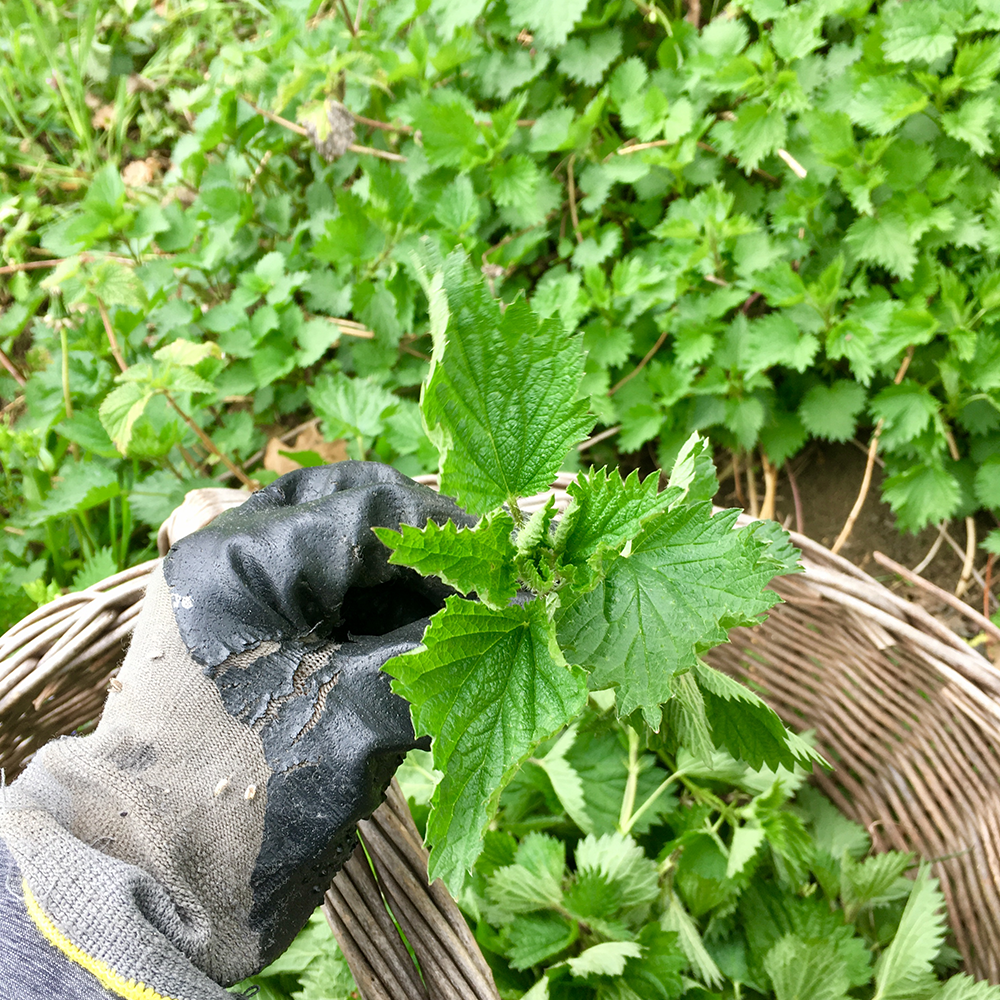
‘Ortica’
Cipollina (Baby Onion)
These shoots can be used just like the cultivated shallots or scallions. When picking these guys, you can pull it out from the roots but just use the tops for cooking. Apparently, they are great in omelettes and salads!
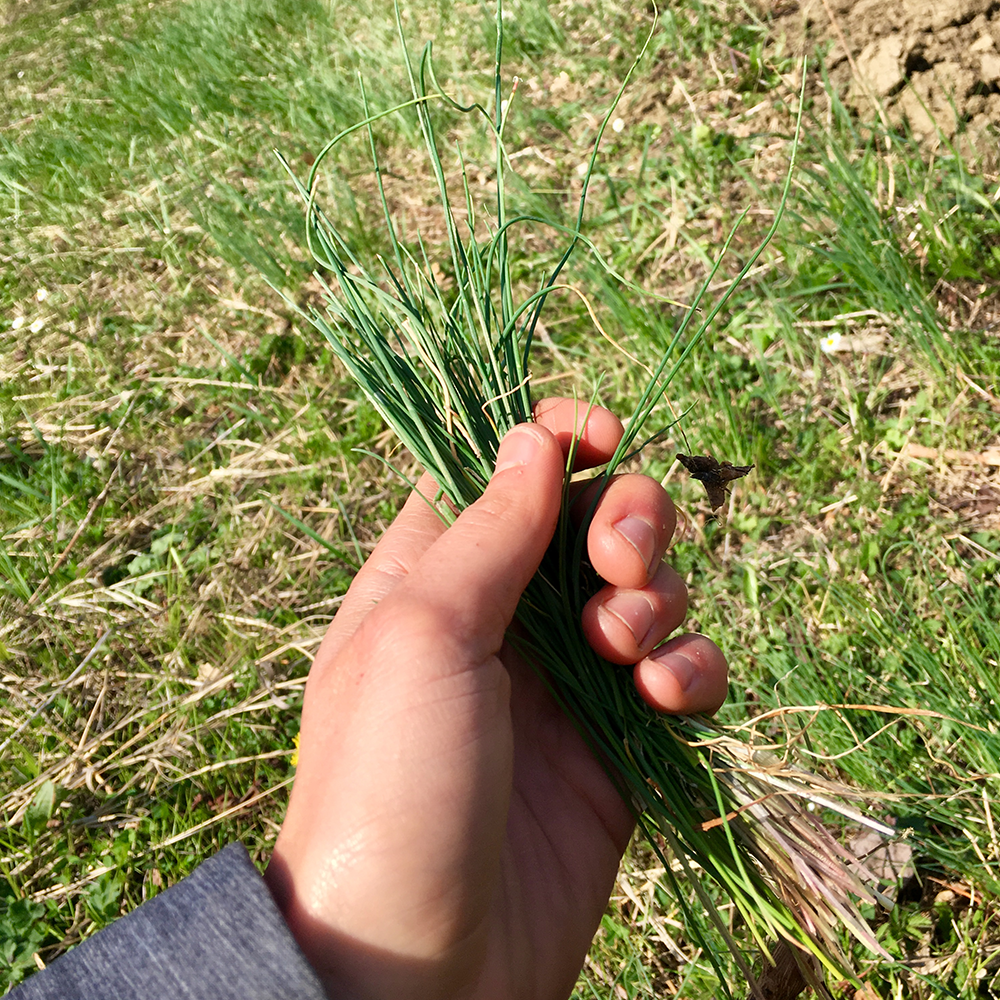
‘Cipollina’
Carota Selvatica (Wild Carrot)
These little veggies are just like the ones you buy at the supermarket, only wild! The best time to get them is in the warmer months. A little safety tip, there are a few varieties of dangerous weeds that look similar … the way to tell if its the edible carrot is by making sure that on the green stems, there are little hairs. When deciding what to do with them, veggie pies are a great option! Of course, salads are great, you can use the whole carrot, green hairs and all.
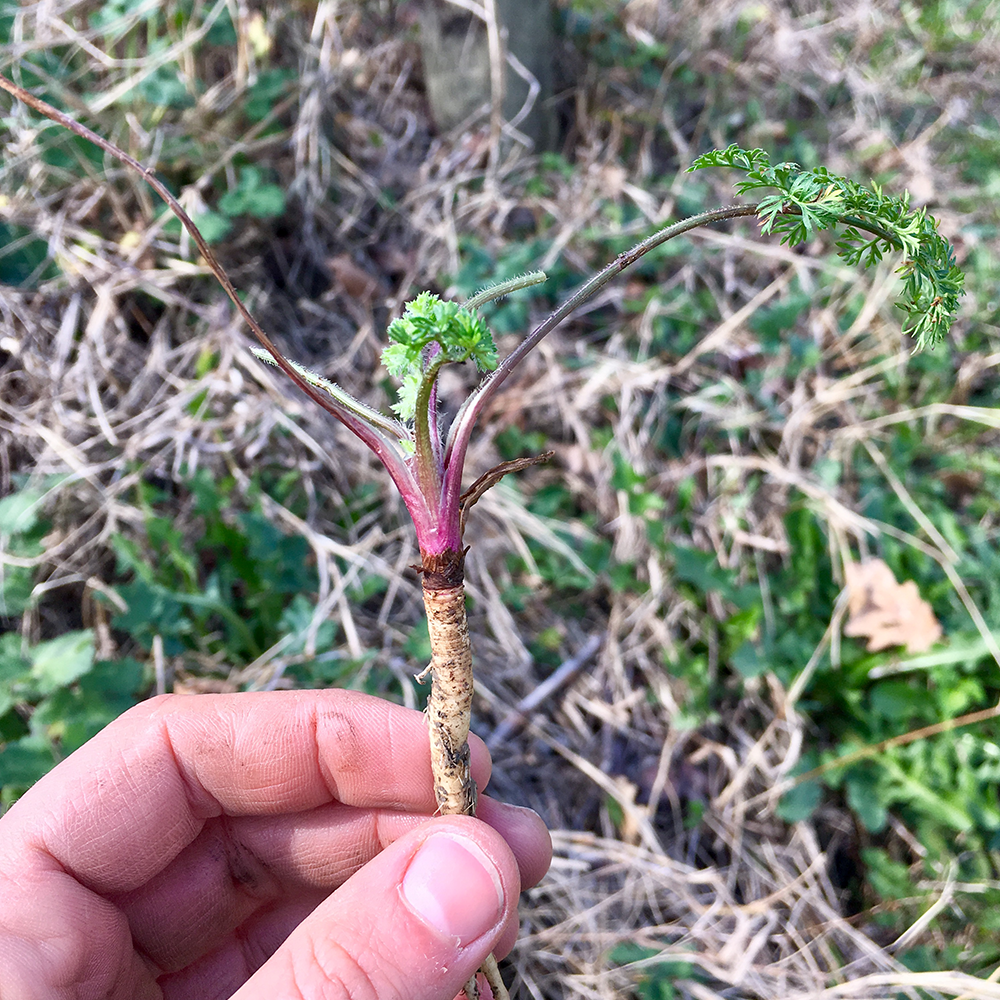
‘Carota Selvatica’
Piantaggine (Plantain)
This is a plant that we also have in Australia. I still wanted to include it in the list because I don’t believe that all Australian are pulling this out of their backyard and chucking it on their plate next to their snags and potatoes. The young leaves can be picked and eaten raw in salads and the older, tougher leaves can be cooked and eaten like spinach! Piantaggine leaves can also be used to treat insect bites, by crushing the leaves in your hand and applying the sap and water to the affected area.
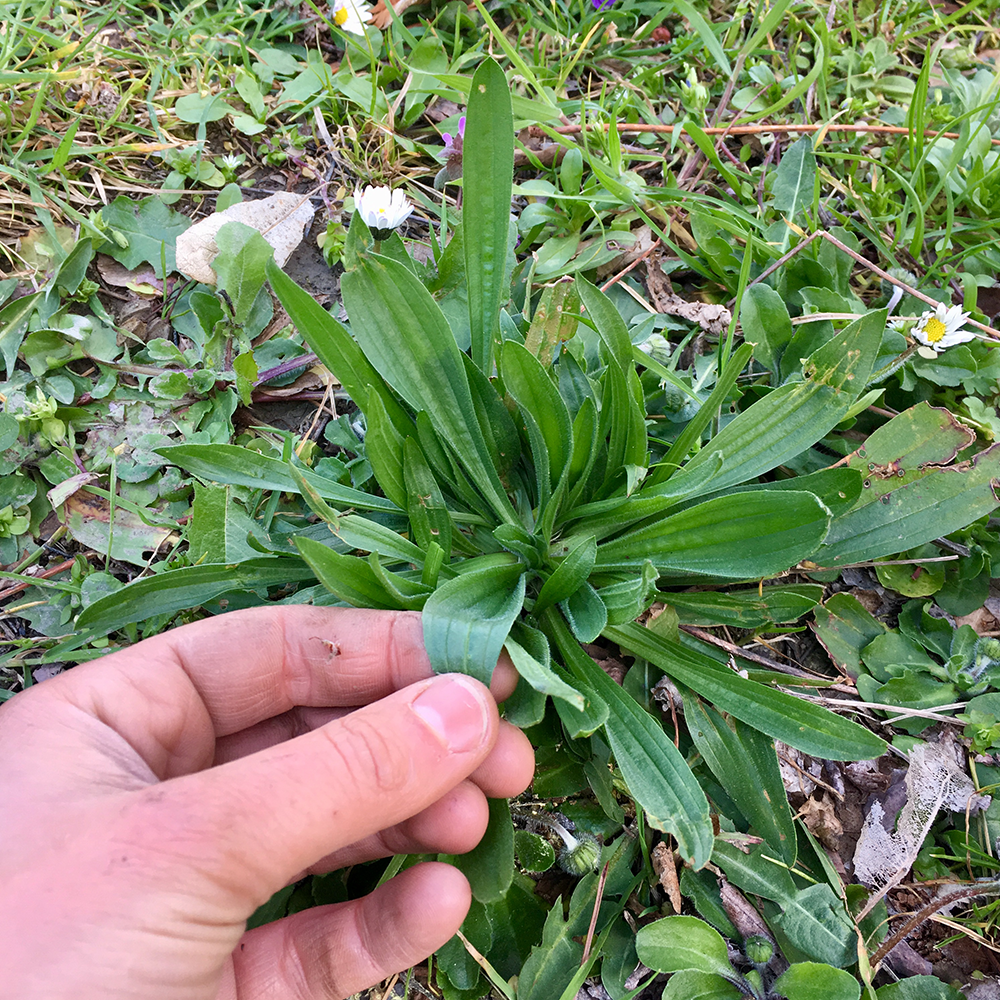
‘Piantaggine’
They are just some of the wild plants that can be eaten in Italy. I hope that this inspires you to research what wild food you have available in your area! I know for sure that I will attempt to be an active forager when I return to Australia.
Stay curious!
Kindly, Steph
Very cool Steph. I think we have some of that Piantaggine in our lawn! Have to try it. Happy foraging.